For bloggers and indie hackers, having an email address with your own domain is a must. Since personal usage usually isn't that high, a free setup is the way to go. Here is how to get a free professional email for both sending and receiving.
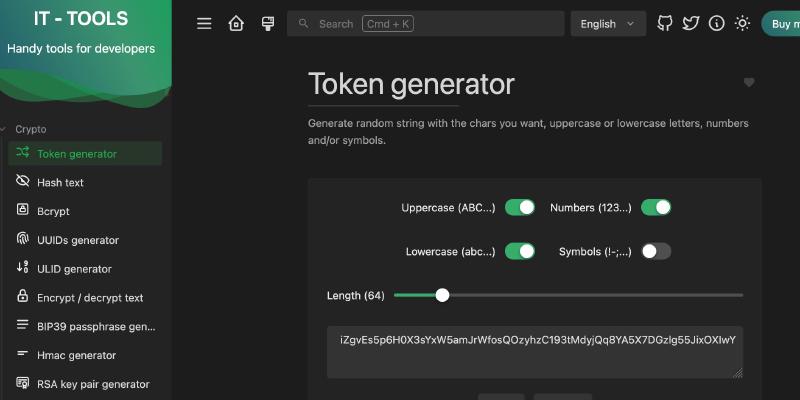
This tool is packed with over 80 practical mini-tools for your daily coding tasks, like timestamp converters, random string generators, Base64 encoding, and much more.
These are some of my favorite books. I highly recommend them because while working hard is important, you also need to keep your mind sharp with new ideas.
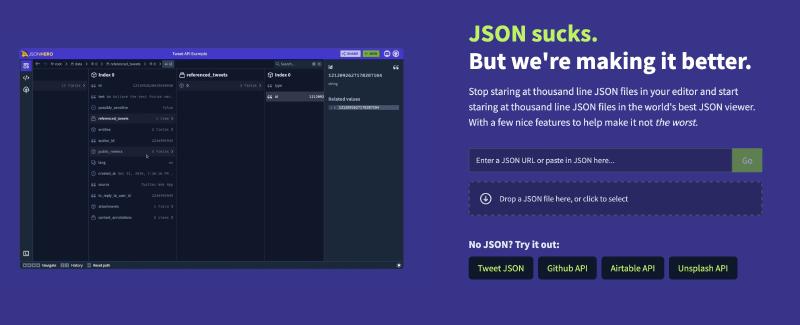
Developers deal with JSON data all the time, and having a handy tool to visualize it makes life much easier. JsonHero is packed with features and offers three ways to explore your data: Column view (the most powerful), Tree view, and standard JSON view.
FluentRead is an open-source alternative to Immersive Translate. It might be a bit more basic in terms of features, but it's open-source and stores your data locally (except for the AI part). It's a great choice if you care about privacy. Unlike Immersive Translate, which requires a subscription for AI features, FluentRead lets you just plug in your own API keys. Supports Chrome, Firefox, Edge, and more.
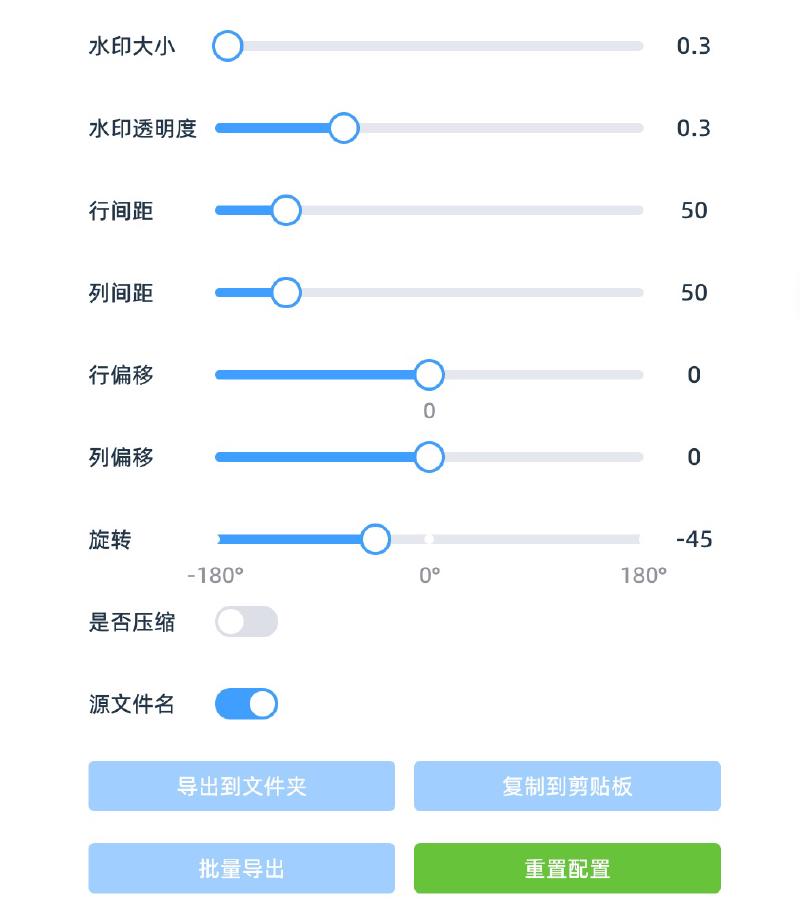
Everything happens locally in your browser, so your photos never leave your computer and are never uploaded to a server. You can add text or image watermarks and easily tweak the size, transparency, spacing, and rotation. When you're done, you can save them all at once using their original filenames or export them to a new folder.
To install Linux, you usually need to put the ISO image you downloaded onto a USB drive. To do that, you'll need a tool that can flash or write that image onto your USB stick, SD card, or TF card.